

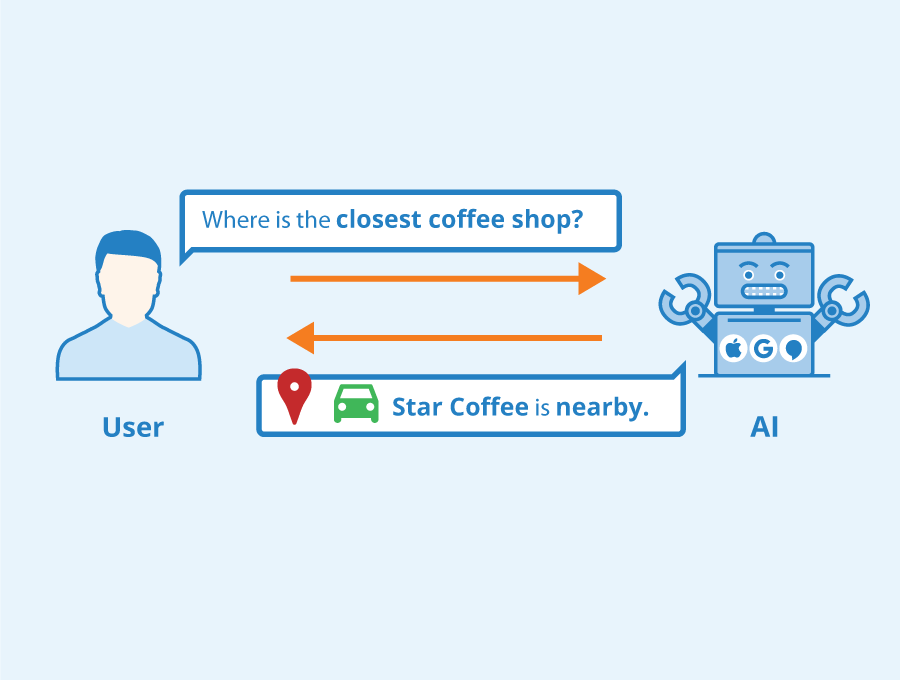
Natural Language Processing (NLP): The Future of Communication
Natural language processing (NLP) is a field of computer science that deals with the interaction between computers and human (natural) languages. NLP research has been highly successful in developing techniques for understanding and generating human language, and these techniques are now being used in a wide range of applications, including machine translation, speech recognition, and text analysis.
What is NLP?
NLP is a broad field, and there are many different tasks that fall under its umbrella. Some of the most common NLP tasks include:
- Text classification: This task involves assigning a label to a piece of text, such as whether it is a news article, a blog post, or a product review.
- Sentiment analysis: This task involves identifying the sentiment of a piece of text, such as whether it is positive, negative, or neutral.
- Question answering: This task involves answering questions posed in natural language.
- Machine translation: This task involves translating text from one language to another.
- Speech recognition: This task involves converting spoken words into text.
How does NLP work?
NLP algorithms typically use a combination of machine learning and statistical techniques to perform their tasks. Machine learning algorithms are used to learn the patterns in data, while statistical techniques are used to represent and manipulate the data.
The specific techniques used by NLP algorithms vary depending on the task at hand. For example, text classification algorithms typically use support vector machines or naive Bayes classifiers, while sentiment analysis algorithms typically use lexicon-based or machine learning-based approaches.
Applications of NLP
NLP is a rapidly growing field with a wide range of applications. Some of the most common applications of NLP include:
- Machine translation: NLP is used in machine translation to translate text from one language to another.
- Speech recognition: NLP is used in speech recognition to convert spoken words into text.
- Text analysis: NLP is used in text analysis to extract information from text, such as sentiment, keywords, and topics.
- Customer service: NLP is used in customer service to provide automated responses to customer queries.
- Medical diagnosis: NLP is used in medical diagnosis to identify potential diseases from patient records.
- Fraud detection: NLP is used in fraud detection to identify fraudulent transactions.
The future of NLP
The future of NLP is very bright. As NLP algorithms become more sophisticated, they will be able to perform more complex tasks and make more accurate predictions. This will lead to new applications in a wide range of industries, and it will have a major impact on our society.
Some of the potential applications of NLP in the future include:
- Personalized learning: NLP can be used to personalize learning experiences by providing tailored content and feedback to each student.
- Virtual assistants: NLP can be used to develop virtual assistants that can understand natural language and respond to user requests in a helpful and informative way.
- Smart cities: NLP can be used to develop smart cities that are able to monitor and manage infrastructure, traffic, and other systems in real time.
The possibilities for NLP are endless. As this technology continues to develop, we can expect to see it used to solve some of the world's most pressing problems.
Conclusion
NLP is a powerful tool that has the potential to change the world. As this technology continues to develop, we can expect to see it used to solve some of the world's most pressing problems.


0 Comments